Outside pregnancy/postpartum, a hypertensive emergency is severe BP elevation with new or worsening target-organ injury. Emergencies need monitored treatment to a syndrome-specific target. Severe asymptomatic BP usually needs confirmation, oral regimen adjustment and close follow-up. Pregnancy/postpartum is an exception: sustained ≥160 systolic or ≥110 diastolic requires urgent treatment without waiting for organ injury.
▤
How fast, how low — by syndrome
the target sets the drugAortic syndrome
Prompt anti-impulse treatment. SBP <120 or lowest pressure preserving perfusion. HR 60–80/min.
Hypertensive pulmonary edema
NIV and titrated vasodilation when appropriate. Diurese according to congestion.
No compelling syndrome
Reduce MAP by no more than 25% in the first hour. Then lower cautiously toward 160/100 over 2–6 h.
Stroke or intracerebral hemorrhage
Use the neurovascular pathway on page 2. Reperfusion status changes the target.
A
Emergency vs severe asymptomatic BP
nonpregnant pathway| Emergency | No acute injury | |
|---|---|---|
| Defining feature | Acute target-organ damage | No acute organ damage |
| Where / how | ICU, titratable IV + arterial line | Outpatient-style, oral, restart/uptitrate |
| Pace | Controlled lowering to a syndrome target | Days — no rapid lowering (harmful) |
| Typical BP | Often >180/120 (but damage, not the number, defines it) | Often >180/120, asymptomatic |
| Examples | Dissection · SCAPE · encephalopathy | Severe asymptomatic HTN · missed meds |
B
Find the organ damage
exam + targeted tests- Brain headache, ↓LOC, deficits, seizure (encephalopathy/PRES, stroke, ICH) → CT head.
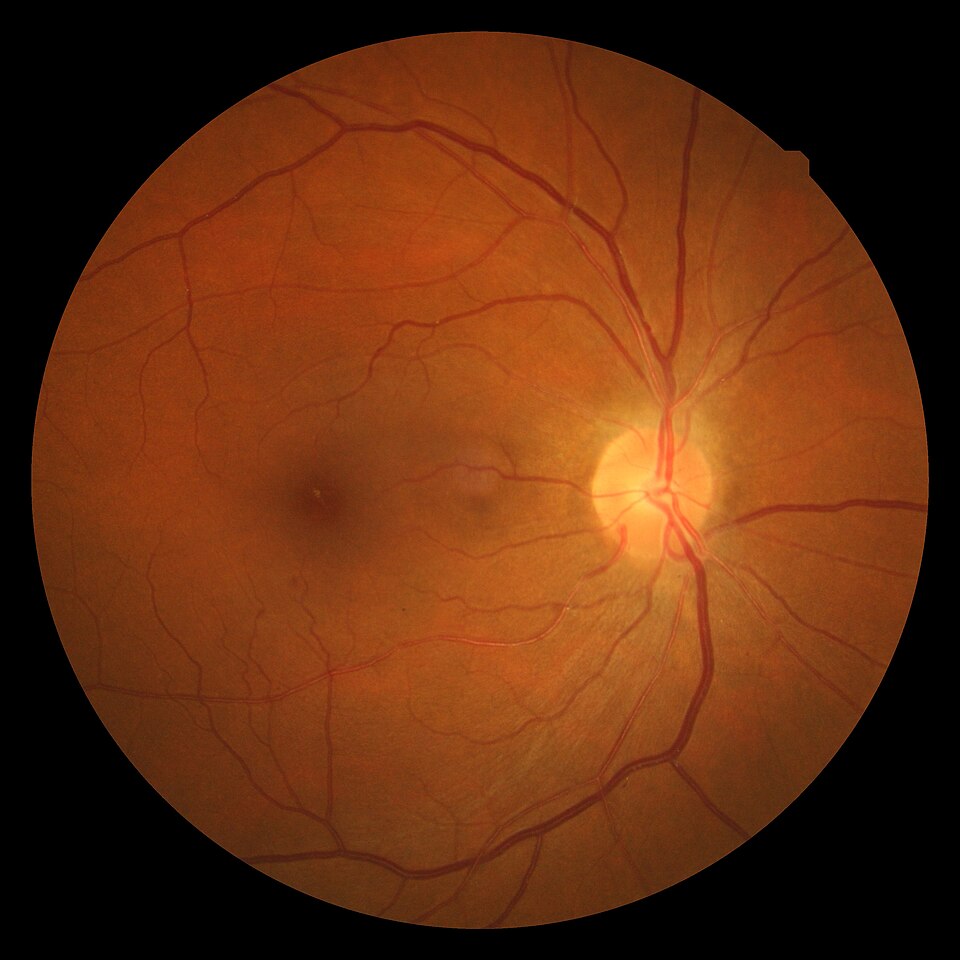
- Eyes papilledema, hemorrhages, exudates (grade III–IV) → fundoscopy.
- Heart/aorta chest pain, edema, new murmur → ECG, troponin, BNP. CTA if dissection.
- Kidney ↑ Cr, hematuria/proteinuria, TMA (schistocytes) → BMP, UA, smear, LDH/haptoglobin.
- Context pregnancy (hCG), drugs (urine tox — cocaine/amphetamine), med non-adherence, pheo features.

C
General principles
don't overshootUse short-acting titratable IV therapy and continuous monitoring. Only when there is no compelling syndrome, a common trajectory is no more than ~25% MAP reduction in the first hour, then toward ~160/100 over 2–6 h, followed by cautious normalization. Aortic syndromes, pulmonary edema, ACS, stroke/ICH, pregnancy, and catecholamine excess each require their own target and drug sequence. Avoid immediate-release nifedipine for routine nonpregnant BP lowering. Pregnancy is an exception below.
D
Severe BP without acute organ injury
outside pregnancy/postpartumNonpregnant adults outside the postpartum periodSevere BP with no acute organ damage usually needs oral regimen adjustment and follow-up within days. Avoid rapid IV lowering. Confirm measurement and adherence, reassess after rest, and address pain, anxiety and volume. Admission depends on clinical risk and follow-up reliability. For pregnancy/postpartum, use the urgent obstetric pathway on page 2.
Match the target and drug to the syndrome.Respect the avoid column. A β-blocker alone in catecholamine excess or a vasodilator alone in dissection can cause harm.
A
Targets & agents by syndrome
target · prefer · avoid| Syndrome | Target & pace | Preferred | Avoid |
|---|---|---|---|
| Aortic dissection | SBP <120 & HR 60–80 promptly, preserving perfusion | β-blocker first if eligible (esmolol/labetalol), then vasodilator (nicardipine) | Vasodilator alone (reflex tachy ↑ shear) |
| Acute pulm edema (SCAPE) | Aggressive afterload ↓ now | NTG + NIV when appropriate. Loop diuretic if fluid overloaded | β-blocker, fluids |
| ACS / ischemia | Relieve ischemia, preserve perfusion | NTG if eligible. β-blocker only without HF, low output, bradycardia or heart block | NTG with suspected RV infarction or recent PDE5 inhibitor. β-blocker during acute cocaine toxicity |
| Encephalopathy / PRES | ↓ MAP ~20–25% over 1 h | Nicardipine / clevidipine / labetalol | Drops >25% (watershed) |
| Acute ischemic stroke | No reperfusion: usually tolerate <220/120 absent another emergency. Before IV thrombolysis: <185/110. After: <180/105 | Labetalol / nicardipine | After successful thrombectomy, do not target SBP <140 |
| Intracerebral hemorrhage | Mild–moderate ICH, initial SBP 150–220: target 140, maintain 130–150 | Nicardipine / clevidipine | SBP <130 |
| Severe pregnancy / postpartum BP | ≥160 systolic or ≥110 diastolic for ≥15 min: treat within 30–60 min to <160/<110 | IV labetalol/hydralazine or oral immediate-release nifedipine. MgSO₄ for severe preeclampsia/eclampsia | ACEi/ARB, nitroprusside during pregnancy |
| Pheo / cocaine / sympathetic | Control surge | Phentolamine, nicardipine, benzodiazepine (cocaine) | β-blocker alone (unopposed α) |
| AKI / scleroderma renal crisis | Gradual | Nicardipine / clevidipine / fenoldopam. ACEi (captopril) for scleroderma | Nitroprusside (thiocyanate in renal failure) |
B
Two rules that save lives
the classic errorsDissection: rate before pressure
- Rate control before vasodilation limits reflex tachycardia and aortic shear. Check for acute AR, bradycardia or heart block before β-blockade. If β-blockers are unsuitable, IV diltiazem/verapamil may control rate when their own contraindications are absent.
Catecholamine excess: never β alone
- Pheochromocytoma / cocaine / amphetamine → a β-blocker without α-blockade leaves unopposed α vasoconstriction → worse HTN. Use phentolamine / nicardipine (± benzo).
C
After stabilization — screen for a cause
young · resistant · abrupt| Secondary cause | Clue | Test |
|---|---|---|
| Primary aldosteronism | Hypokalemia, resistant HTN | Aldosterone : renin ratio |
| Pheochromocytoma | Spells, palpitations, labile BP | Plasma / 24-h urine metanephrines |
| Renal artery stenosis | Flash pulm edema, bruit, ↑ Cr on ACEi | Renal duplex / CTA / MRA |
| Renal parenchymal | ↑ Cr, abnormal UA | BMP, UA, renal US |
| OSA | Snoring, obesity, daytime somnolence | Sleep study |
| Drug / toxin | NSAIDs, stimulants, decongestants, alcohol, OCP | History, urine tox |
| Endocrine (other) | Cushingoid habitus, thyroid signs | Cortisol / TSH as indicated |
D
Pregnancy & the hand-off to oral
two practical notesPre-eclampsia / eclampsia
- MgSO₄ for severe preeclampsia/eclampsia. IV labetalol/hydralazine or oral immediate-release nifedipine for acute severe BP. Stabilize and involve obstetrics for delivery timing.
- Avoid ACEi/ARB, nitroprusside (fetal toxicity).
Transition to oral
- Once at the syndrome target & stable, start an oral agent and overlap as the IV is tapered.
- Pick by comorbidity (ACEi/ARB, CCB, β-blocker). Treat the cause & fix adherence.
Prefer short-acting, titratable infusions over repeated boluses. Pair vasodilators with rate control where indicated. Transition to oral once the syndrome target is met and stable.
A
IV antihypertensives
dose · onset · niche| Agent | Class | Dose | Onset / dur | Niche |
|---|---|---|---|---|
| Nicardipine | Dihydro-CCB | 5 mg/h, +2.5 q5–15min, max 15 | 5–15 min / 4–6 h | Workhorse, neuro |
| Clevidipine | Dihydro-CCB | 1–2 mg/h, initially double q90s. Up to 32 short-term. Average ≤21 mg/h per 24 h | 2–4 min / 5–15 min | Tight titration, SCAPE |
| Labetalol | α/β-blocker | 10–20 mg IV q10min or 0.5–2 mg/min | 5–10 min / 3–6 h | Stroke, eclampsia, dissection (with) |
| Esmolol | β1-blocker | 0.5–1 mg/kg bolus → 50–300 µg/kg/min | 1–2 min / 10–20 min | Dissection (rate first), periop |
| Nitroglycerin | Nitrate (venous) | 5–200 µg/min | 2–5 min / 5–10 min | ACS, SCAPE |
| Nitroprusside | NO (art+ven) | 0.3 → max 10 µg/kg/min. Limit max rate to ≤10 min | seconds / 1–2 min | Refractory (art line) |
| Hydralazine | Arteriolar | Obstetric: 5–10 mg IV over >2 min. Recheck at 20 min, then 10 mg if still severe. Escalate per protocol | 10–30 min / up to 12 h | Severe pregnancy/postpartum BP |
| Phentolamine | α-blocker | 5 mg IV bolus, repeat | 1–2 min / 10–30 min | Pheo / cocaine |
| Fenoldopam | DA-1 agonist | 0.1–0.3 µg/kg/min | 5–10 min / 30–60 min | Renal (↑ RBF) |
B
Drug-specific cautions
where they bite- Nitroprusside cyanide / thiocyanate toxicity increases with dose, duration and renal/hepatic dysfunction. Stop if BP remains uncontrolled after 10 min at the maximum rate. May raise ICP and worsen coronary ischemia.
- Clevidipine lipid emulsion — contraindicated in egg/soy allergy, defective lipid metabolism. Also contraindicated in severe aortic stenosis. Limit to 1000 mL/24 h including lipid burden.
- Nitroglycerin Avoid with suspected RV infarction or recent PDE5 inhibitor: avanafil within 12 h, sildenafil/vardenafil within 24 h, tadalafil within 48 h.
- Hydralazine unpredictable, prolonged effect + reflex tachycardia — avoid in ACS / dissection.
- β-blockers avoid in decompensated HF, bradycardia, severe bronchospasm, cocaine/pheo (alone).
- Fenoldopam reflex tachycardia, ↑ intraocular pressure (avoid in glaucoma), hypokalemia.
C
First reach-for by scenario
quick pickMost emergencies Nicardipine / clevidipine
Aortic dissection Esmolol first if eligible → then nicardipine
SCAPE / ACS Nitroglycerin (± nicardipine)
Pheo / cocaine Phentolamine (± benzo) — no β alone
Renal / scleroderma Fenoldopam / nicardipine (ACEi for scleroderma)
Eclampsia Labetalol / hydralazine + MgSO₄
Stroke (if treating) Labetalol / nicardipine
Refractory Nitroprusside — art line, watch toxicity
D
Monitor while you lower
titrate to MAP- Arterial line Use the syndrome-specific SBP/MAP target. Smooth titration matters more than a single reading.
- Watch the organs Reassess mentation, urine, ECG and symptoms. A new deficit needs immediate stroke/complication assessment, not an assumption of overtreatment.
- Volume SCAPE may reflect fluid redistribution without total-body overload. Assess congestion before diuresis or fluids.
- Frequency recheck q5–15 min while titrating. Document the MAP trend, not isolated readings.
- Re-set if over-shoot Reduce the infusion and reassess perfusion. Give fluids only for a supported volume-responsive state.
- Then taper overlap an oral agent, wean the drip, and move to step-down once stable at target.
- Rebound abrupt clonidine / β-blocker withdrawal causes rebound HTN — restart & taper.
One-liner: acute organ injury requires monitored treatment to a syndrome-specific target. The ≤25% first-hour MAP rule applies only without a compelling syndrome. Dissection, SCAPE, ACS, stroke/ICH and catecholamine excess each have their own pathway. Severe pregnancy/postpartum BP requires urgent treatment even without organ injury. Otherwise, severe asymptomatic BP usually needs oral adjustment and follow-up. Reassess perfusion and treat the cause.